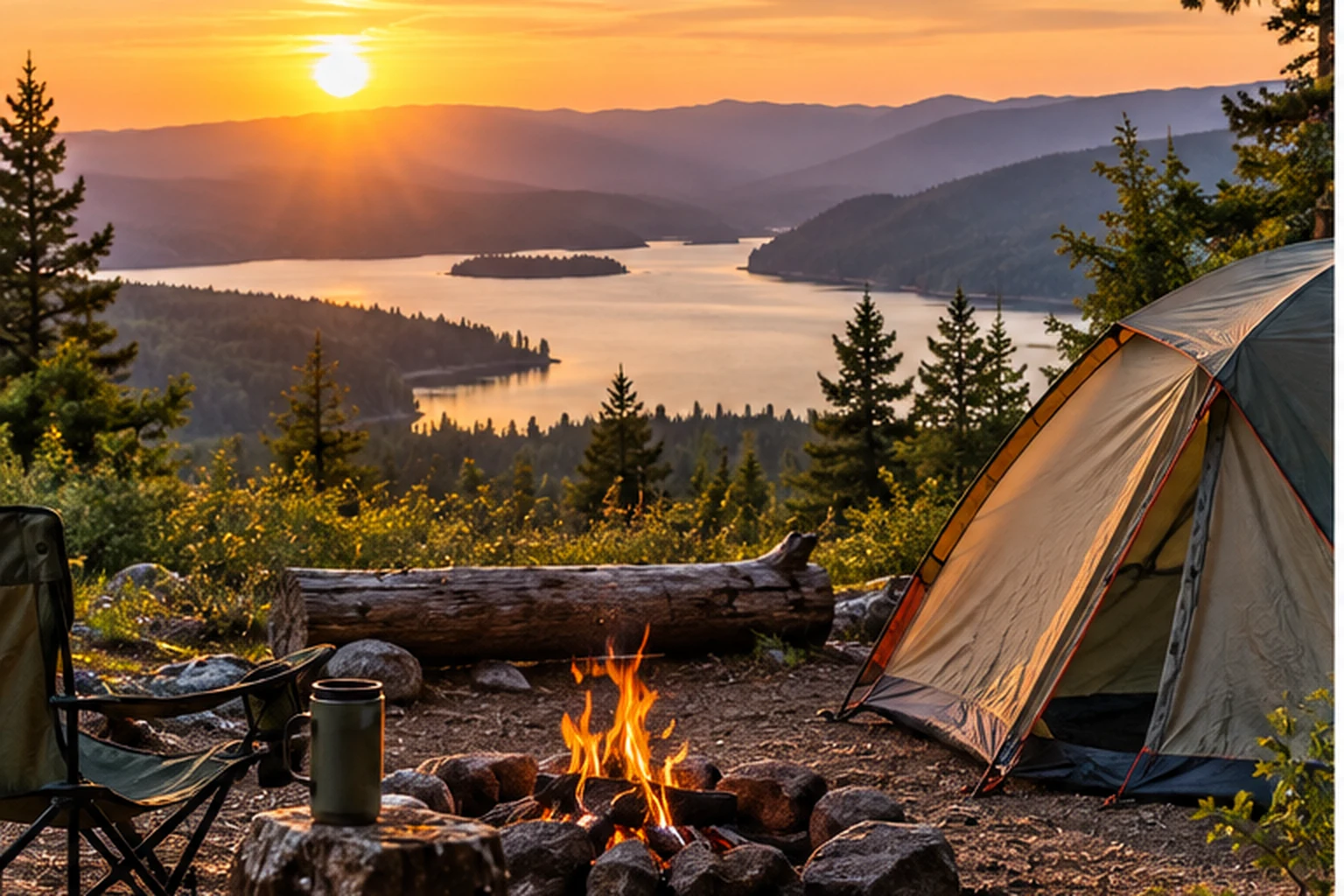
The campsite photo has everything: a beautiful lake, tall trees, and a picnic table waiting for your morning coffee. What it doesn’t show is whether your tent fits, how far you’ll carry the cooler, or whether the road beside your pillow leads to the boat ramp.
A great view is a bonus. A campsite that actually works makes the whole trip better.
When you’re learning how to choose a campsite, think through the ordinary stuff first: sleeping, getting around, using the bathroom, and reaching the water with your fishing gear. A few minutes of checking can save a weekend of muttering things that shouldn’t go in the family vacation video.
Start with the actual campsite, not the campground’s best photograph
“Lakeside campground” describes a property. It doesn’t tell you what you’re getting at site 27.
Open the campground map and the details for the individual site. Check whether your camping setup is permitted, whether reservations are required, and what facilities and food-storage arrangements are provided. The National Park Service’s campsite guide explains why those details belong in the planning stage.
Then picture unloading your own equipment there. Will the tent, including its rainfly and guylines, fit inside the permitted area? Is parking beside the site or down a path? Can everyone in your group comfortably manage that route?
If a listing leaves an important detail unclear, ask the campground operator before booking. “Probably big enough” is a weak foundation for a weekend involving tent poles.
For dispersed camping, confirm the exact area with the land manager. An old fire ring or a campsite pin in an app is not permission. The Forest Service’s dispersed-camping guidance recommends contacting the local district about permitted areas and current restrictions.
Walk the ground before you unload
Arrive while you can still see the site clearly. Look overhead for dead branches and unstable-looking trees, then check the ground. Choose a permitted, level tent location that isn’t a depression or drainage route. Keep the tent clear of the cooking area and fire ring. These are core checks in the National Park Service’s site-selection advice.
Flat and low are different things. One helps you sleep; the other may help collect the rain.
Look at the whole setup, too. Where will you walk between the tent, table, and vehicle? Can you get through without stepping over guylines every time you need something?
If a reserved site has a hazard or won’t accommodate your equipment safely, speak to the host or operator about an alternative. Don’t quietly expand into the neighboring site and hope geography sorts itself out.
Give the shoreline some breathing room
Being close to fishing water is useful. Putting your tent at the water’s edge isn’t necessary.
Leave No Trace recommends camping at least 200 feet from lakes and streams as general guidance for protecting shoreline areas. Follow the land manager’s actual requirements; designated campground pads and local restrictions may involve different arrangements. Stay within the authorized camping area. Leave No Trace explains campsite placement and durable surfaces here.
A short walk to the water can be a perfectly good trade. Your fishing rod is portable. That was one of its better design decisions.
Avoid choosing a low shoreline location simply because the ground is dry when you arrive. Water levels can change quickly during flooding. If water begins rising or officials direct you to evacuate, move promptly to safety; never drive through floodwater. See the National Weather Service’s flood guidance.
Check the route to the fishing, not just the distance
A lake visible from camp doesn’t automatically give you a practical place to cast.
Before choosing a campsite around fishing, answer three questions:
- Where is the public access? Identify the actual trail, bank, pier, or launch you intend to use.
- Does it suit your group? Consider footing, distance, mobility needs, and space to cast without putting other visitors in the line of fire.
- What rules apply to that water? Check the responsible fish and wildlife agency for license requirements, seasons, bait and tackle restrictions, and any closures.
Use the Fish Finder Outdoors Fishing Locations Directory to research fishing waters and their linked official sources. Verify camping separately with the land manager. The directory is a starting point for the fishing part of your trip, not proof that you can pitch a tent beside every listed water.
For state licensing information, the U.S. Fish and Wildlife Service’s fishing-license directory links to the responsible agencies.
Also decide how you want to spend your time. A comfortable camp a short drive from a usable fishing access might suit you better than a waterfront site where reaching the bank requires an argument with a blackberry patch.
Choose convenience you’ll actually use
Think about the less glamorous parts of a camping day.
A nearby restroom may matter more than extra privacy. A manageable walk from the vehicle may matter more than a sweeping view. The National Park Service specifically notes the choice between proximity to facilities and a quieter, darker location.
Read the map with your routine in mind. If you plan to fish early, how will you load up without waking your entire group? If someone needs frequent bathroom trips, is the route suitable after dark? If you’re camping with a dog, where can you walk it under the campground’s pet rules?
Make a short list of what matters to your trip before comparing sites. Otherwise, a beautiful photo can talk you into giving up the things you actually wanted.
Make the weather part of the decision
Check the forecast for the camping location, including overnight conditions. Think about where your group can go if the weather becomes dangerous.
A tent, tree, or open picnic shelter is not safe protection from lightning. When thunder is audible, move to a substantial enclosed building or an enclosed, hard-topped vehicle. Wait at least 30 minutes after the last thunder before returning outside. The National Weather Service’s outdoor lightning guidance covers this directly.
For a beginner trip, favor a location where you can reach suitable shelter and leave if needed. Pick a backup campground or an alternative date before you go. Changing the plan is easier when you haven’t already decided that this particular weekend must succeed through sheer stubbornness.
Compare the whole stay
Imagine choosing between these two sites. Neither is a real listing; the example shows how to weigh the details.
| What matters | Site A | Site B |
|---|---|---|
| View | Uninterrupted lake view | Lake visible from a nearby path |
| Tent space | Published dimensions won’t fit your tent | Enough permitted space for your setup |
| Fishing | Public casting access still unclear | Confirmed public bank access nearby |
| Parking | Gear must be carried down several steps | Parking beside the campsite |
Site B gives you a workable trip. Site A gives you a photograph and three problems to solve.
Choose the site that handles your basic needs, then enjoy whatever scenery comes with it.
Fit the campsite instead of rebuilding it
Use designated pads or suitable existing camping surfaces where permitted. Keep equipment inside the established area and avoid trampling vegetation to make more room. Leave No Trace’s guidance explains how repeatedly spreading beyond campsite boundaries damages more ground.
Don’t dig drainage trenches or level the ground to force a poor spot to work. The Forest Service advises choosing an already level site with good drainage.
And leave the place ready for the next visitor. Pack out food scraps, packaging, and fishing line. “Someone else left it” explains how trash arrived. It doesn’t make leaving more of it acceptable.
Get the campsite sorted, then go fishing
You don’t need the most impressive campsite in the campground. You need one where your equipment fits, your group can get around, and your plans make sense.
If you’re still organizing the whole trip, read First-Time Camping: A Beginner’s Guide to Doing It Right.
Planning to fish while you’re there? Grab the free First Fishing Trip Checklist before you pack. It covers what to bring, what you can skip, and what to do when you reach the water—so your first morning starts with fishing instead of a drive back to town for something you forgot.