How to Choose a Campsite: Don’t Let a Great View Ruin Your Trip
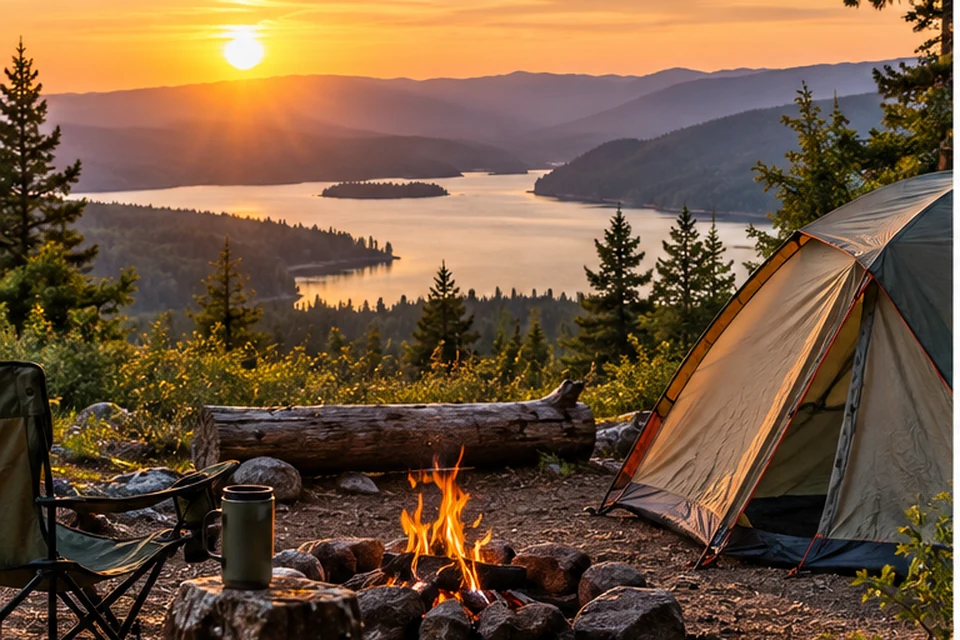
Check tent space, shoreline distance, fishing access, parking, facilities, weather, and site hazards before a pretty campground photo makes the decision for you.
Read the articleCamping articles about planning carefully, packing useful gear, staying safe, respecting public land, and making time to fish when the trip allows.
Start with campsite planning or the first-trip guide below. New camping articles stay here in their own feed without mixing into the Fishing Blog.
Check tent space, shoreline distance, fishing access, parking, facilities, weather, and site hazards before a pretty campground photo makes the decision for you.
Read the article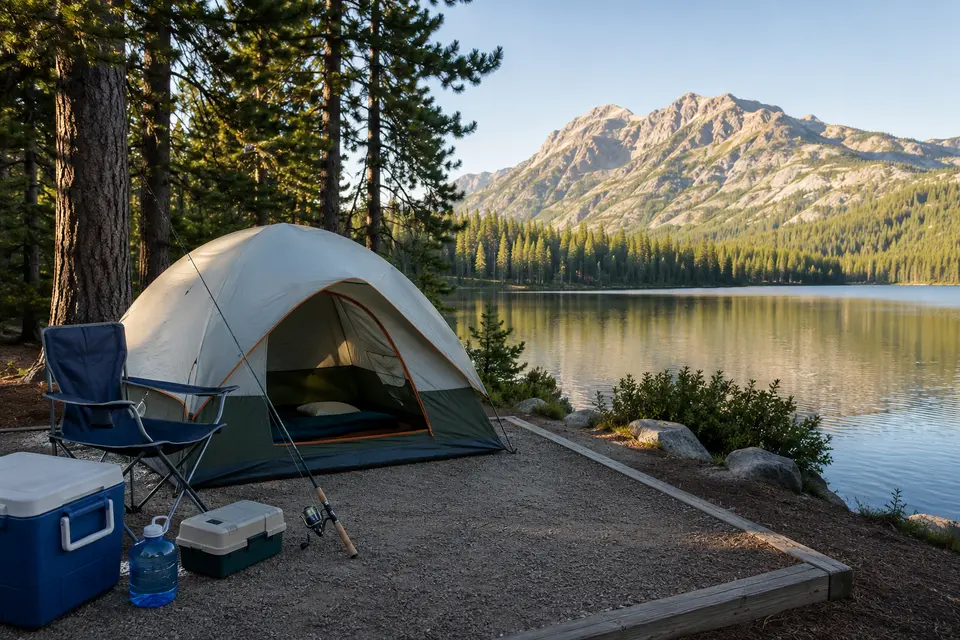
Choose a manageable first trip, pack dependable gear, set up before dark, handle food and water safely, fish legally, and leave camp clean.
Read the articleThe Camping Blog is its own collection because a safe, comfortable night outdoors requires different planning than a day of fishing. Articles here will focus on choosing a manageable campsite, understanding reservations and land-manager rules, building a weather-ready sleep system, keeping food and scented items secure, managing water, cooking responsibly, and leaving the site ready for the next visitor.
The first-time guide walks through the full trip in the order you will actually use it: decide where and when to camp, check the forecast and fire restrictions, pack by function, arrive with enough daylight, establish shelter before recreation, organize food and water, and close camp without leaving trash or hot coals. Use its checklist as a starting point, then adjust for temperature, elevation, wildlife rules, group needs, and the facilities confirmed for your exact campground.
A campground name is not enough to plan a trip. Open the current page from the park, forest, county, recreation area, or other land manager and verify the site number or camping zone, operating dates, reservation or permit, check-in rules, vehicle limits, drinking-water status, toilet facilities, food-storage requirements, pet rules, fire and stove restrictions, road conditions, and emergency notices. Conditions can change after an article is published.
If fishing is part of the trip, plan it as a separate activity. Use the Fishing Location Directory to find a verified water or named access site in the county, then check the official fishing source, public-access source, and current regulations. A campsite beside water does not automatically prove that fishing is legal or that every bank is public.
The two blogs stay separate, but related articles can help with the same trip. Use the Fishing Blog for fishing skills and the location directory to research documented fishing waters.