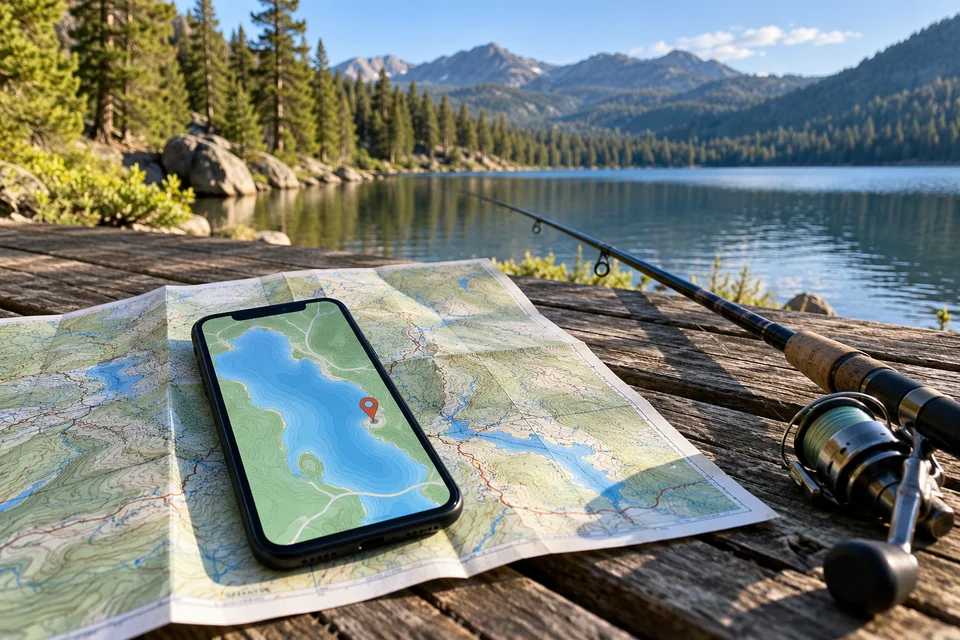
How to Find New Fishing Spots Using Maps and Fishing Apps
Learn to use satellite maps, fishing apps, public-access information, and simple planning to discover new freshwater fishing spots.
Read the articlePractical fishing articles—clear enough for a first trip and useful enough to keep around as your skills grow.
I’ll add new posts here whenever there is something useful worth explaining. Start with the basics, then use the guides and location directory to put the advice to work.
Learn to use satellite maps, fishing apps, public-access information, and simple planning to discover new freshwater fishing spots.
Read the article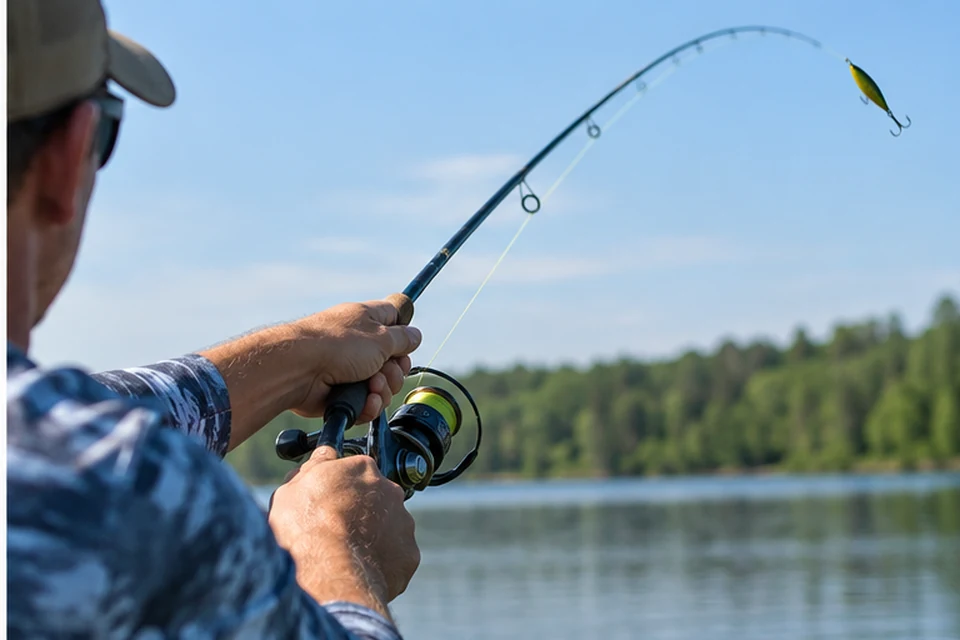
Learn the simple line-hold, bail, forward-cast, release, and follow-through sequence—and fix the most common beginner casting problems.
Read the article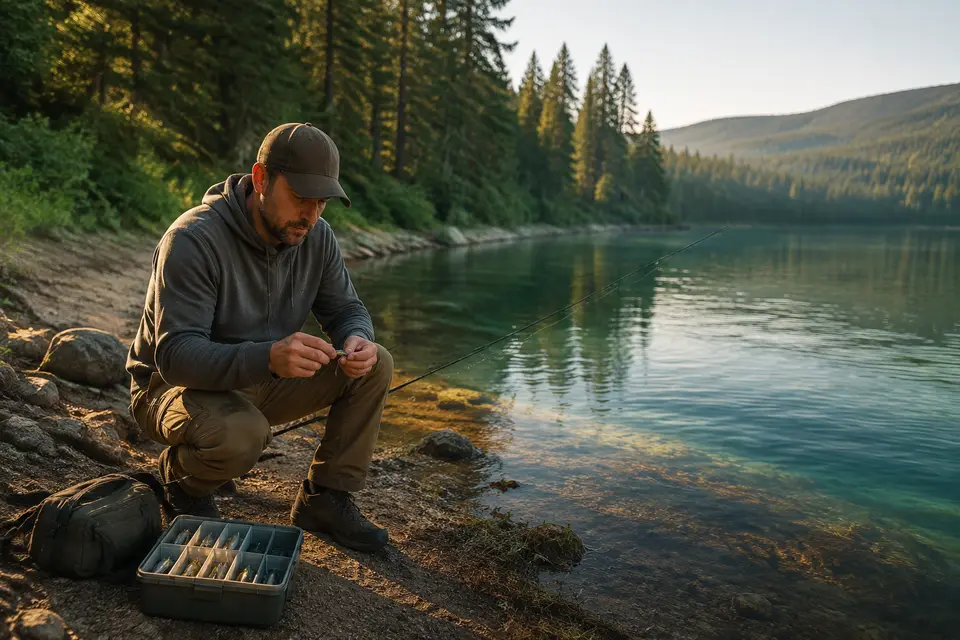
Use a deliberate checklist to adjust depth, location, speed, size, color, bait, timing, and when to move—without changing everything at once.
Read the article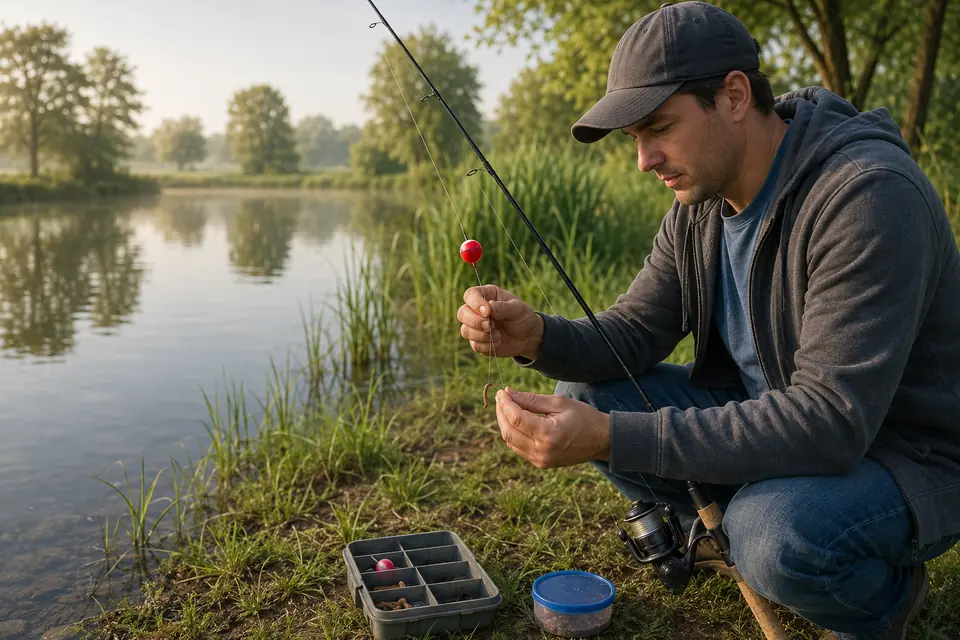
Build a simple fixed-bobber rig, set the right depth, recognize a bite, and make easy adjustments when fish are not responding.
Read the article
Learn the simple gear, rig, knot, casting steps, safety rules, and first-trip plan you need to start fishing with confidence.
Read the articleEach article solves one practical problem instead of trying to cover every kind of fishing at once. If you are planning a first outing, begin with the fishing-basics article, then use the spinning-reel casting guide to practice the motion safely. The bobber-and-worm guide gives you one complete rig to fish, and the eight-change checklist helps when a familiar setup stops producing bites.
The articles explain skills and decision-making, but they do not replace the rulebook for a particular water. After choosing a method, open the Fishing Location Directory and select the county you want to explore. Every published location card includes official evidence links and the current state-regulation starting point. Confirm the exact water, legal bait or lure, season, harvest rule, public entry point, and any closure before traveling.
That order keeps the planning simple: learn one skill, choose one documented location, check the official sources, and bring a backup plan you have also verified. A useful fishing day does not depend on owning every lure or chasing a promise of the “best” spot; it depends on making careful choices with the conditions in front of you.
Camping has its own separate section on Fish Finder Outdoors. Related posts may link between the two blogs when they help plan the same trip.